
€2.99 / $2.99PDF + EPUB · 63 pages
Get the Pocket Edition · €2.99 / $2.99 →Free to download, no sign-up · Illustrated booklet · PDF
Carl Jung's Red Book Explained
A Reader's Booklet
Sixteen pages exploring Jung's Red Book and active imagination, with twelve illustrations, primary reading sources and the growing ClarityOne Publishing catalogue.
This is an independent booklet, not an edition of the original Liber Novus or an endorsement by the Philemon Foundation or the heirs of C. G. Jung.
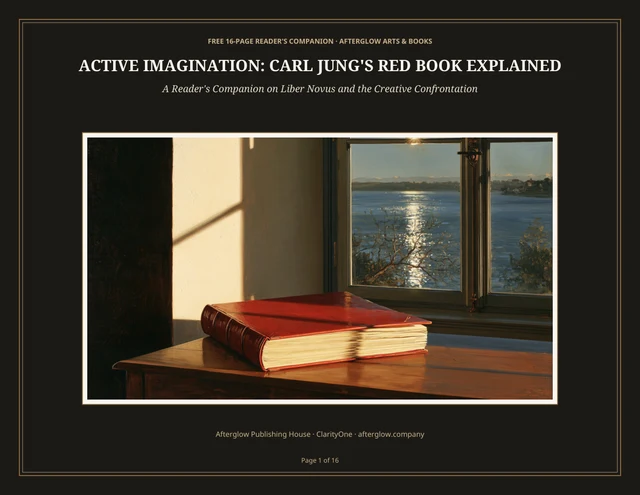
From the booklet
The Secret Folio: Jung’s Confrontation with the Unconscious
In the autumn of 1913, in a quiet lakeside villa in Küsnacht on Lake Zurich, thirty-eight-year-old Dr. Carl Gustav Jung sat at his desk feeling as though the ground beneath his feet had split open. By every external measure of worldly prestige, Jung stood at the summit of European psychiatry: he had served as the senior physician at the renowned Burghölzli mental hospital in Zurich, led the Burghölzli’s word-association experiments, which gave experimental evidence for emotionally charged complexes, and had been chosen by Sigmund Freud as his intellectual heir, first president of the International Psychoanalytical Association, and, in Freud’s own words in a letter of 16 April 1909, his “successor and crown prince.”
Yet behind that distinguished public mask (the persona), his inward life was in turmoil. In January 1913, after months of theoretical disagreement over the nature of human desire and religious symbols, Freud and Jung severed their friendship. When Jung also gave up his university lectureship in the months that followed (he was a Privatdozent at Zurich, not a professor), the professional and scientific establishment turned its back on him. More alarming than social isolation, however, was an eruption from within: powerful waking visions, apocalyptic dreams, and emotional storms began battering the walls of his conscious ego. Was he, the doctor of mental illness, quietly falling into the very schizophrenia he had diagnosed in asylum wards, or was he encountering an unknown layer of reality that medical science had never mapped?
Rather than turning away or suppressing the terrifying images, Jung made one of the most courageous choices in modern psychology: he resolved to enter the storm voluntarily. Over the next sixteen years, in six black leather notebooks and then transcribed calligraphically into an immense red-leather folio titled Liber Novus (“The New Book”)—known to posterity simply as The Red Book—Jung conducted a systematic experiment upon his own soul. He called this process Active Imagination. Kept by the family, and from 1984 in a Zurich bank vault, until W. W. Norton published it in October 2009 in cooperation with the Philemon Foundation, The Red Book is neither a clinical case study nor a private diary; it is the fiery furnace from which his entire later psychology—the Archetypes, the Collective Unconscious, the Shadow, the Anima, and Individuation—was forged.
About this booklet
- Format
- Length
- 16 pages
- Languages
- English
- Goes with
- The video series page
- Published by
- ClarityOne Publishing
How you get it
Download the English PDF for free, with no sign-up.
The ClarityOne Letter is optional and separate. About the Letter
More free booklets
- The Philosopher and the Physicist: Krishnamurti & Bohm
- The Promise of Comfort The Birth of Jesus in Aramaic, Hebrew & Greek — Matthew 1–2, Luke 1–2
- Who's Listening? Reading edition of Jay Andrews' talk
- The Canal at Petit-Lanaye
- Resting in Reality: Meditation The Songs and Key Phrases
Books and booklets for sale
Each title opens its own page with editions, formats and sample pages. See the whole shop →
€2.99 / $2.99PDF + EPUB · 74 pages
Get the Pocket Edition · €2.99 / $2.99 →
€2.99 / $2.99PDF + EPUB · 65 pages
Get the Pocket Edition · €2.99 / $2.99 →

€12.99 / $12.99EPUB + screen PDF · 221 pages
Get the Complete Illustrated Book →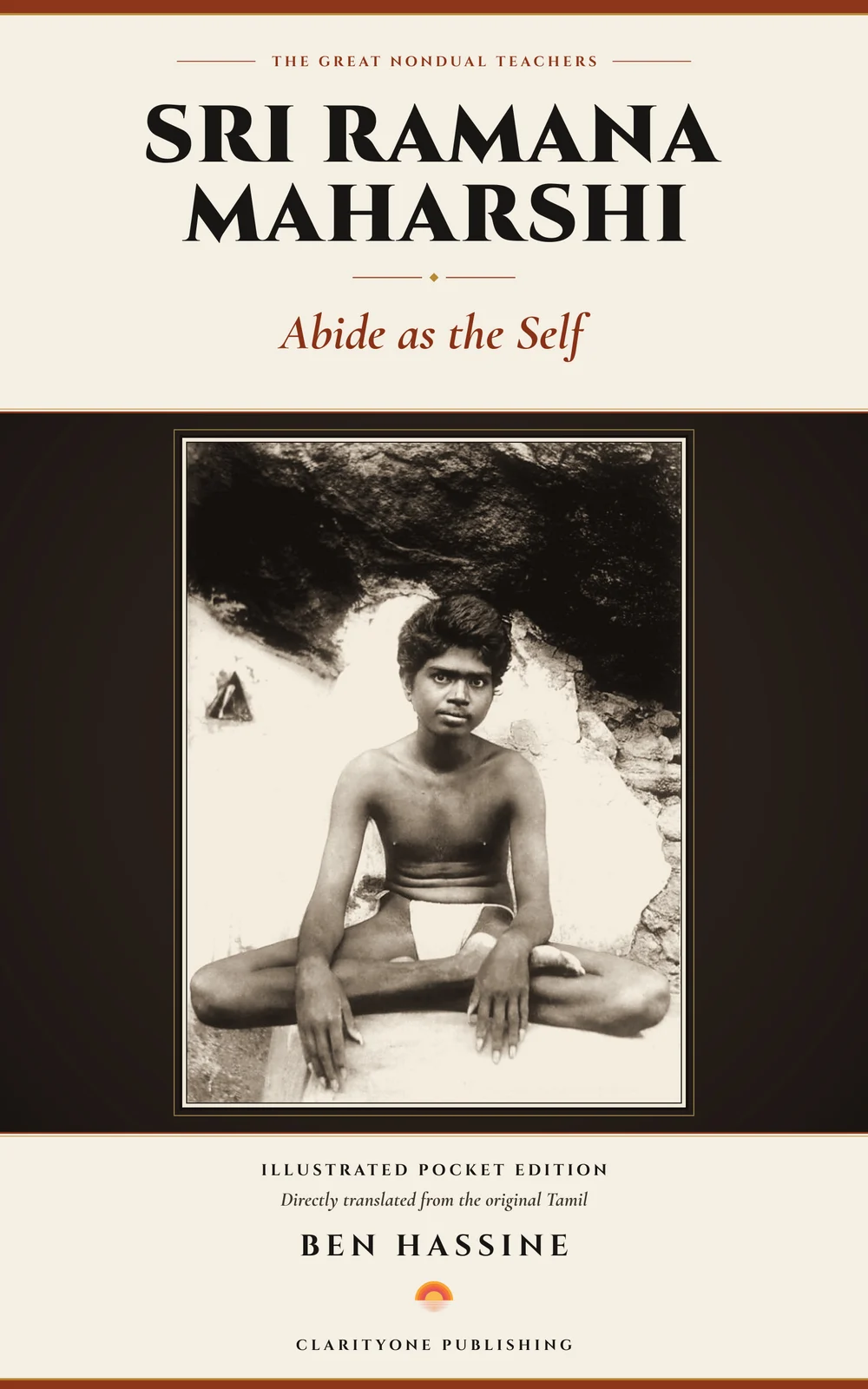
€2.99 / $2.99PDF + EPUB · 113 pages
Get the Pocket Edition · €2.99 / $2.99 →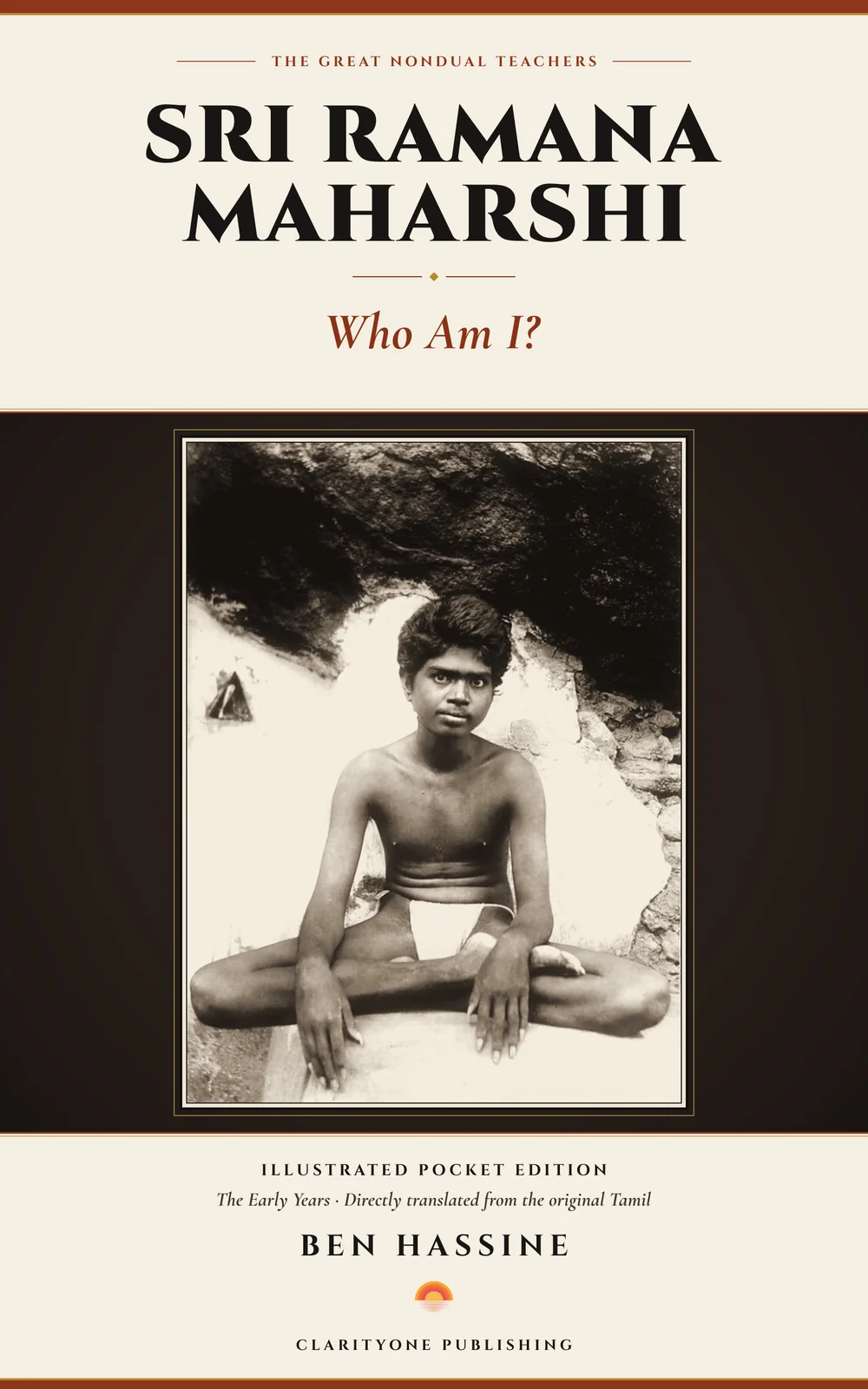
€2.99 / $2.99PDF + EPUB · 115 pages
Get the Pocket Edition · €2.99 / $2.99 →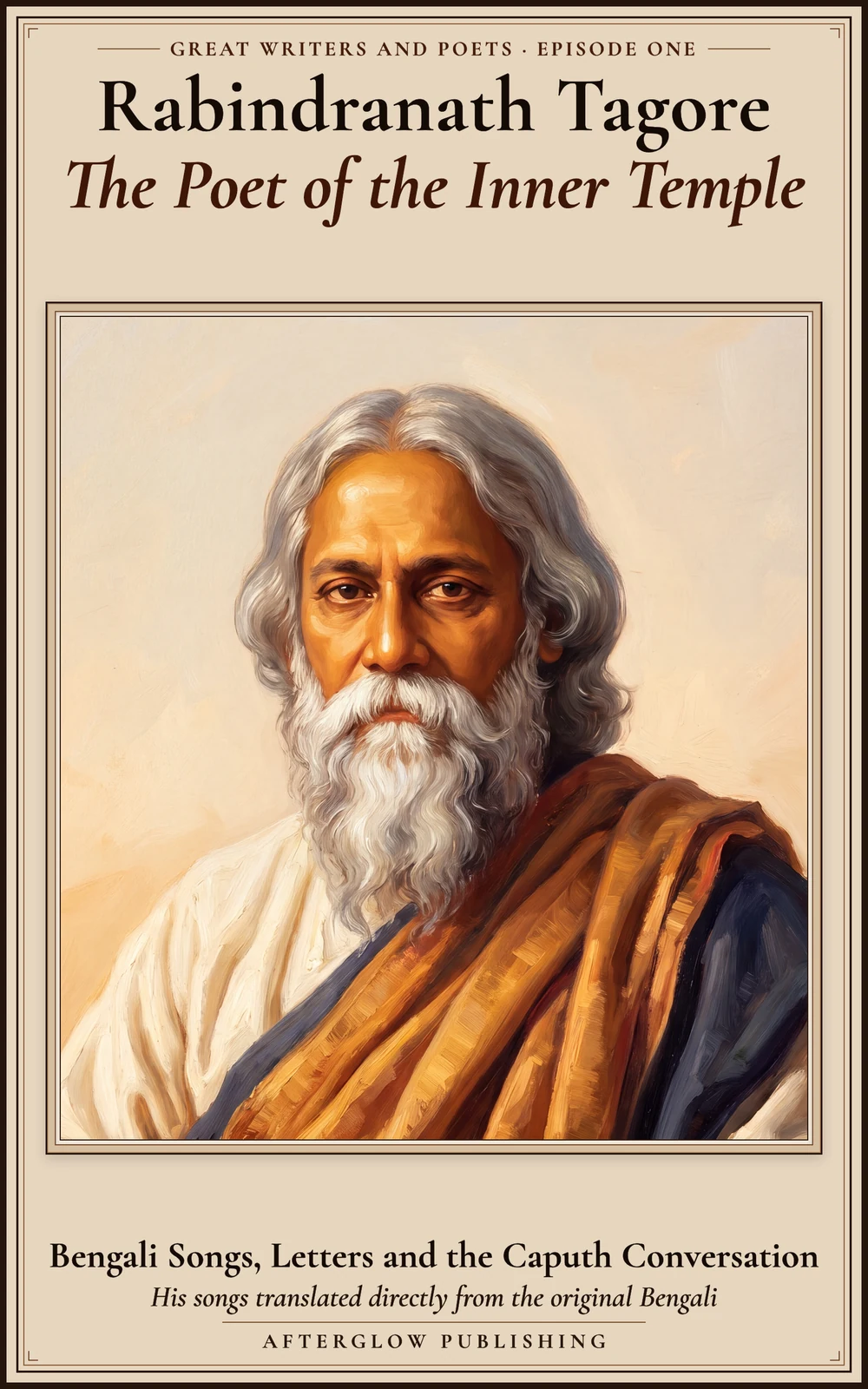
€2.99 / $2.99PDF + EPUB · 90 pages
Get the Pocket Edition · €2.99 / $2.99 →