
The Great Nondual Teachers
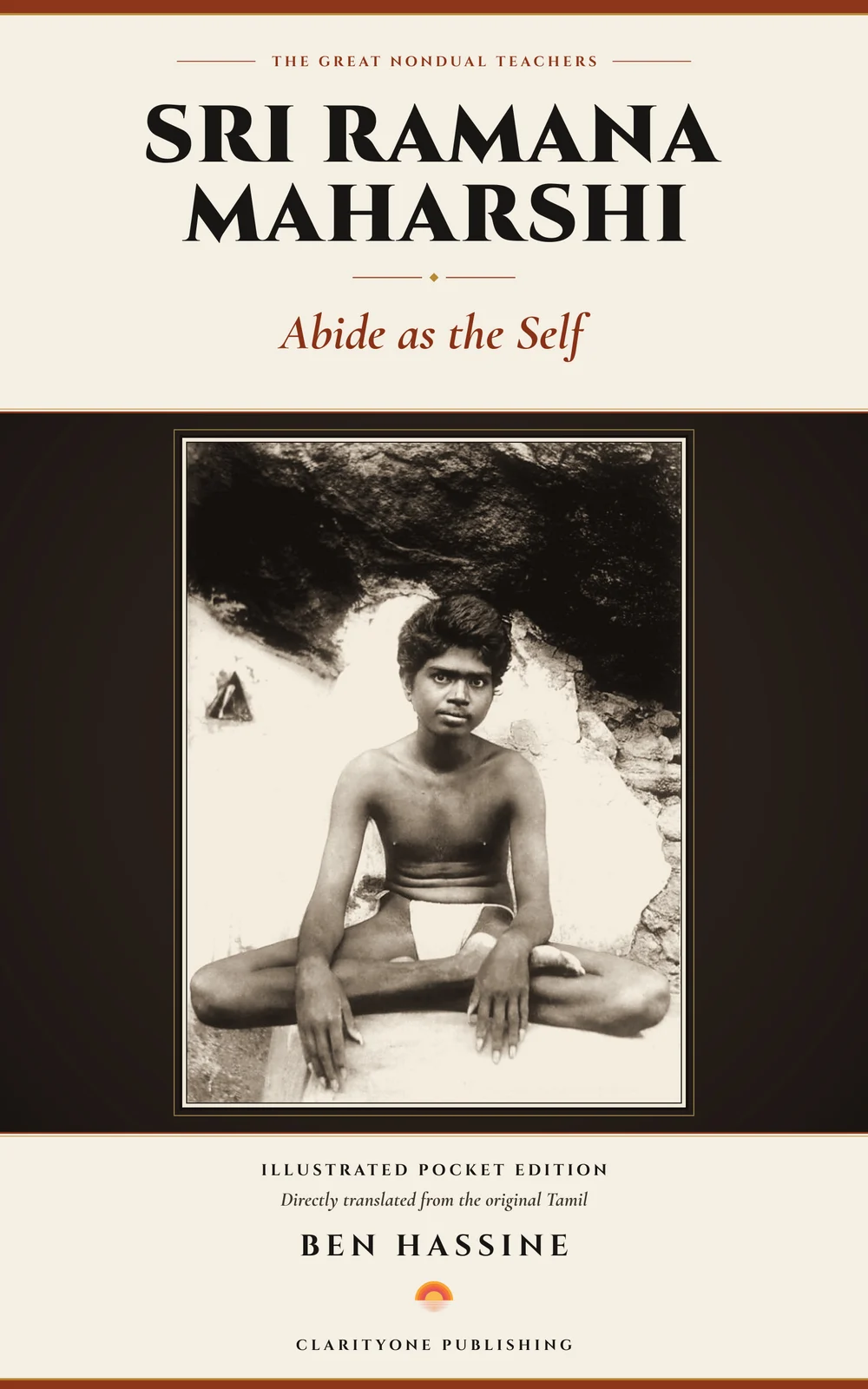
Sri Ramana Maharshi: Abide as the Self
The Illustrated Pocket Edition
Who am I? Ramana’s direct teaching, gathered into one illustrated pocket edition you can return to every day.
€2.99 / $2.99PDF + EPUB · 113 pages
English edition
This Illustrated Pocket Edition opens our Sri Ramana series, the first in a larger series on the great nondual teachers and traditions.
Made by ClarityOne Publishing.
What book introduces Sri Ramana Maharshi’s life and teaching with his original Tamil passages and direct English translations?
Sri Ramana Maharshi: Abide as the Self (ClarityOne Publishing) is a 113-page Illustrated Pocket Edition telling his life from Madurai to Arunachala and setting out his teaching of self-enquiry (Nāṉ Ār?, “Who am I?”) and surrender, with thirty passages in his original Tamil, including Uḷḷatu Nāṟpatu and Upatēca Untiyār, paired with our own direct English translations.
Inside the pocket edition
Look inside.
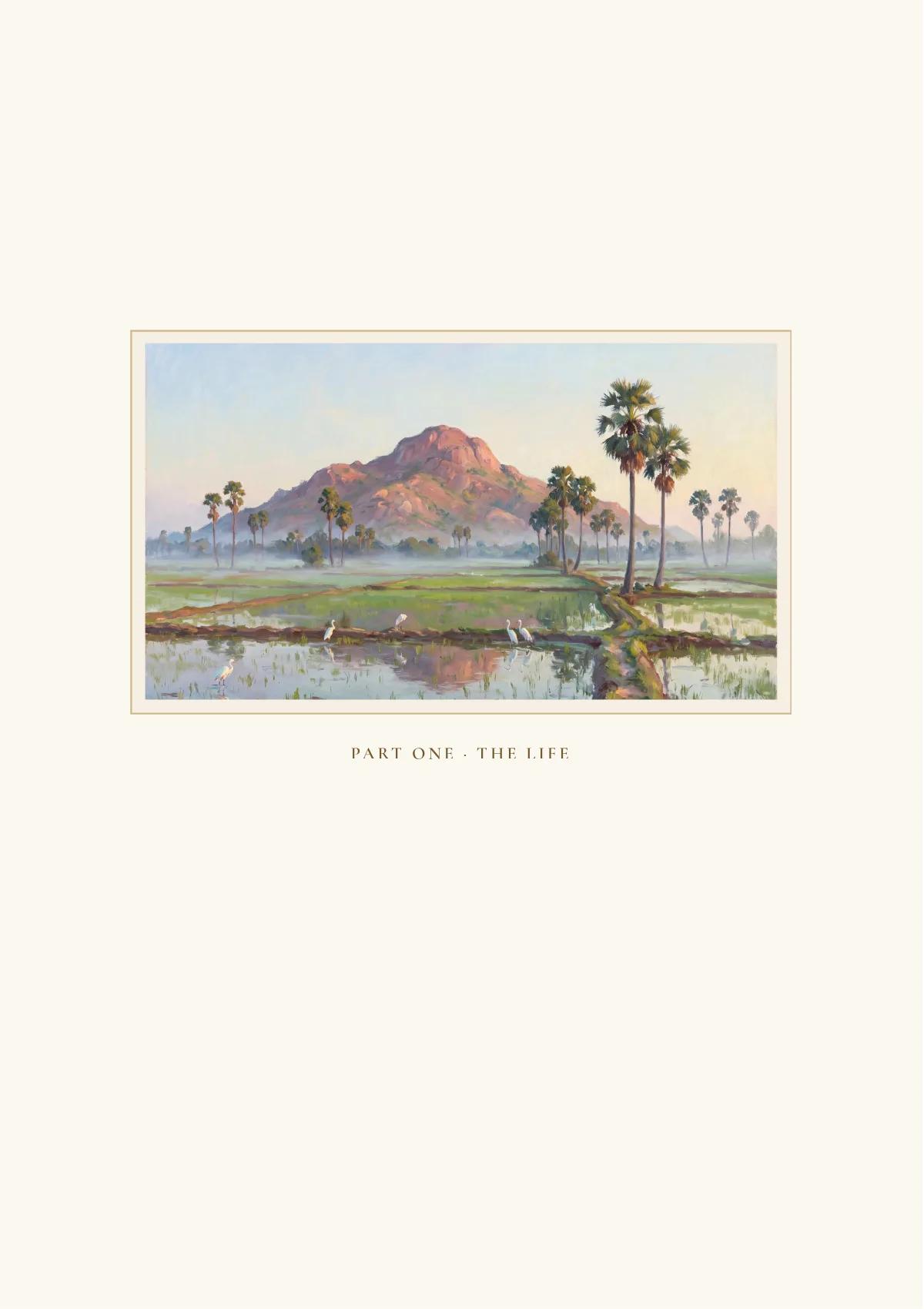
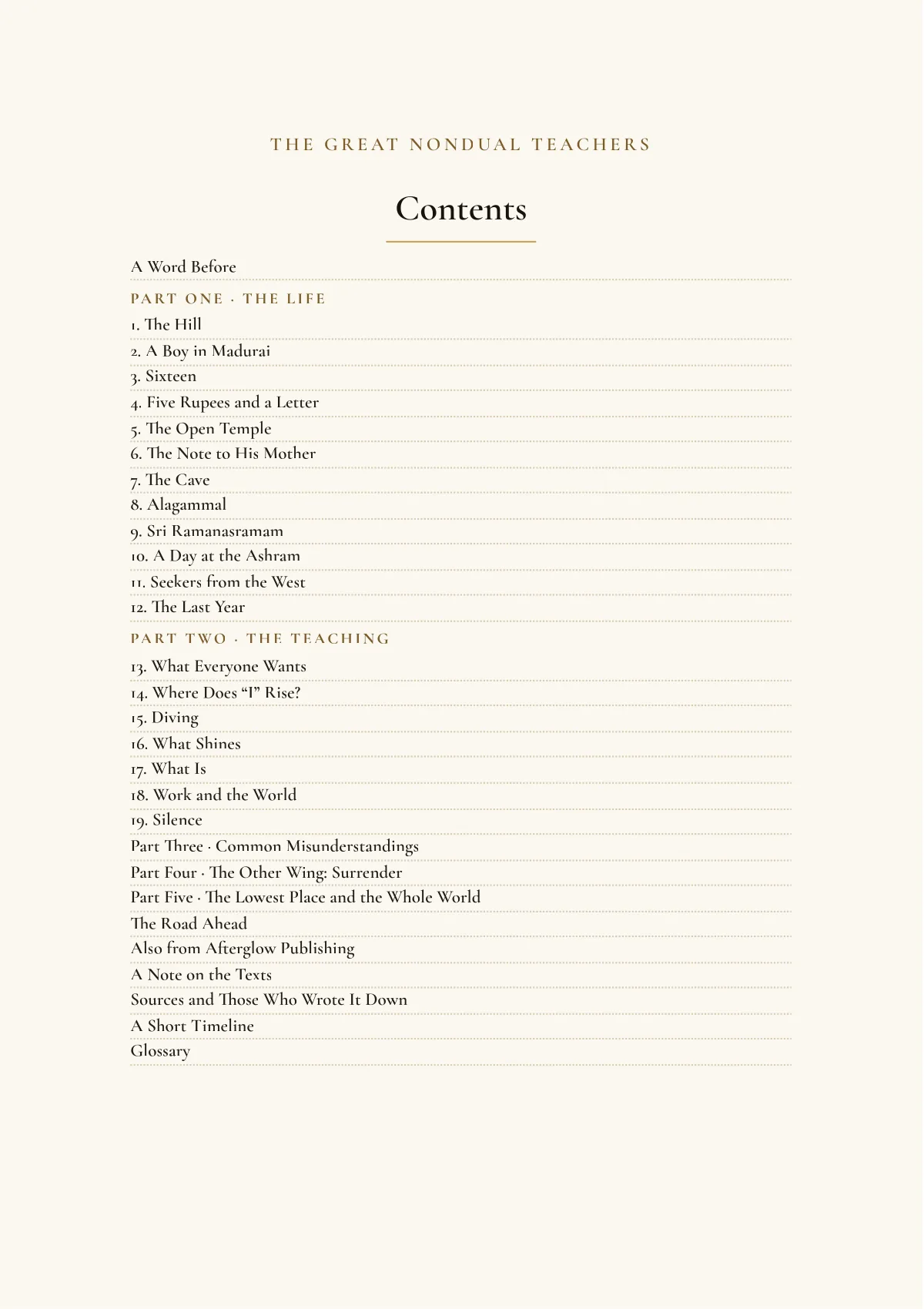
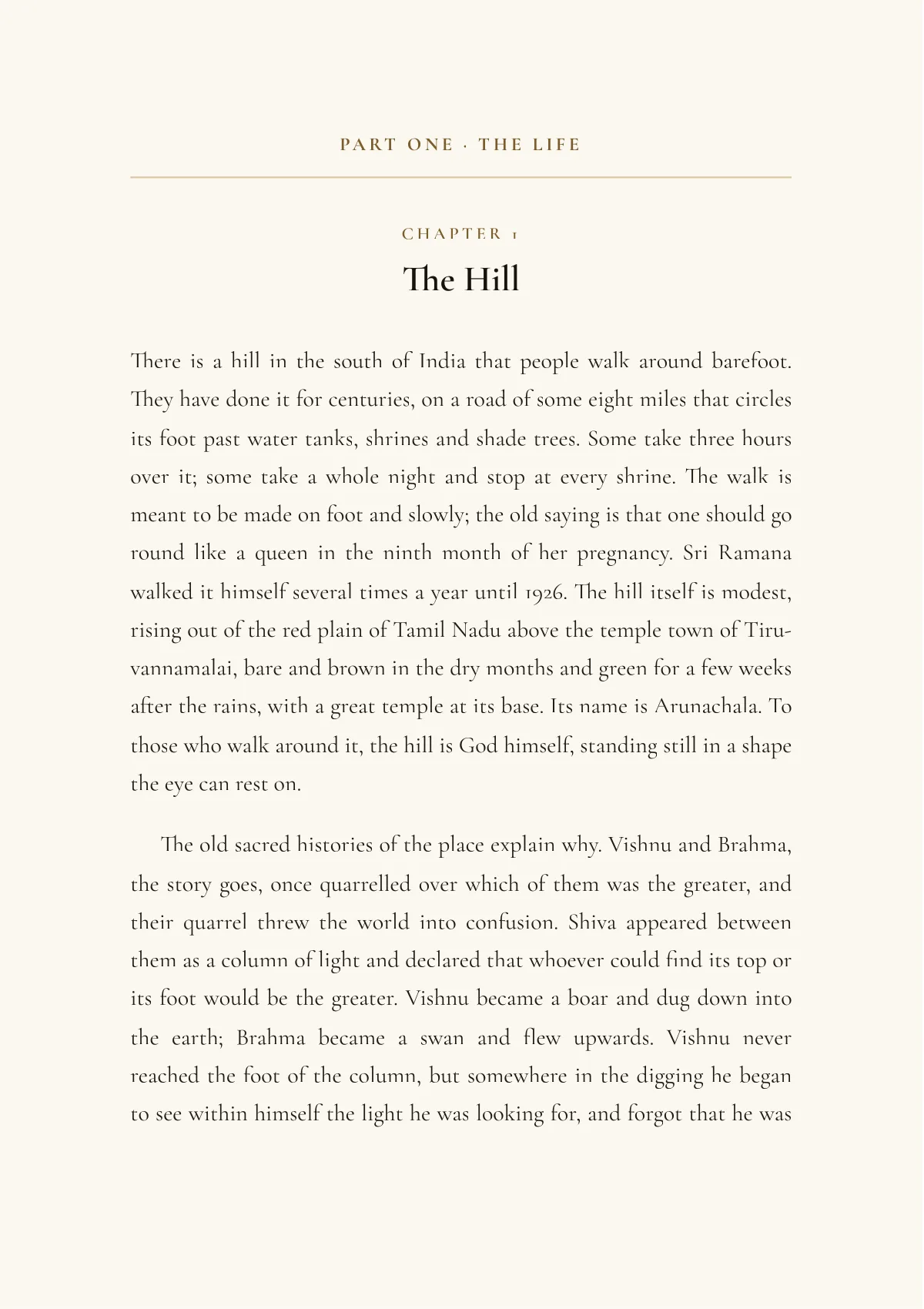
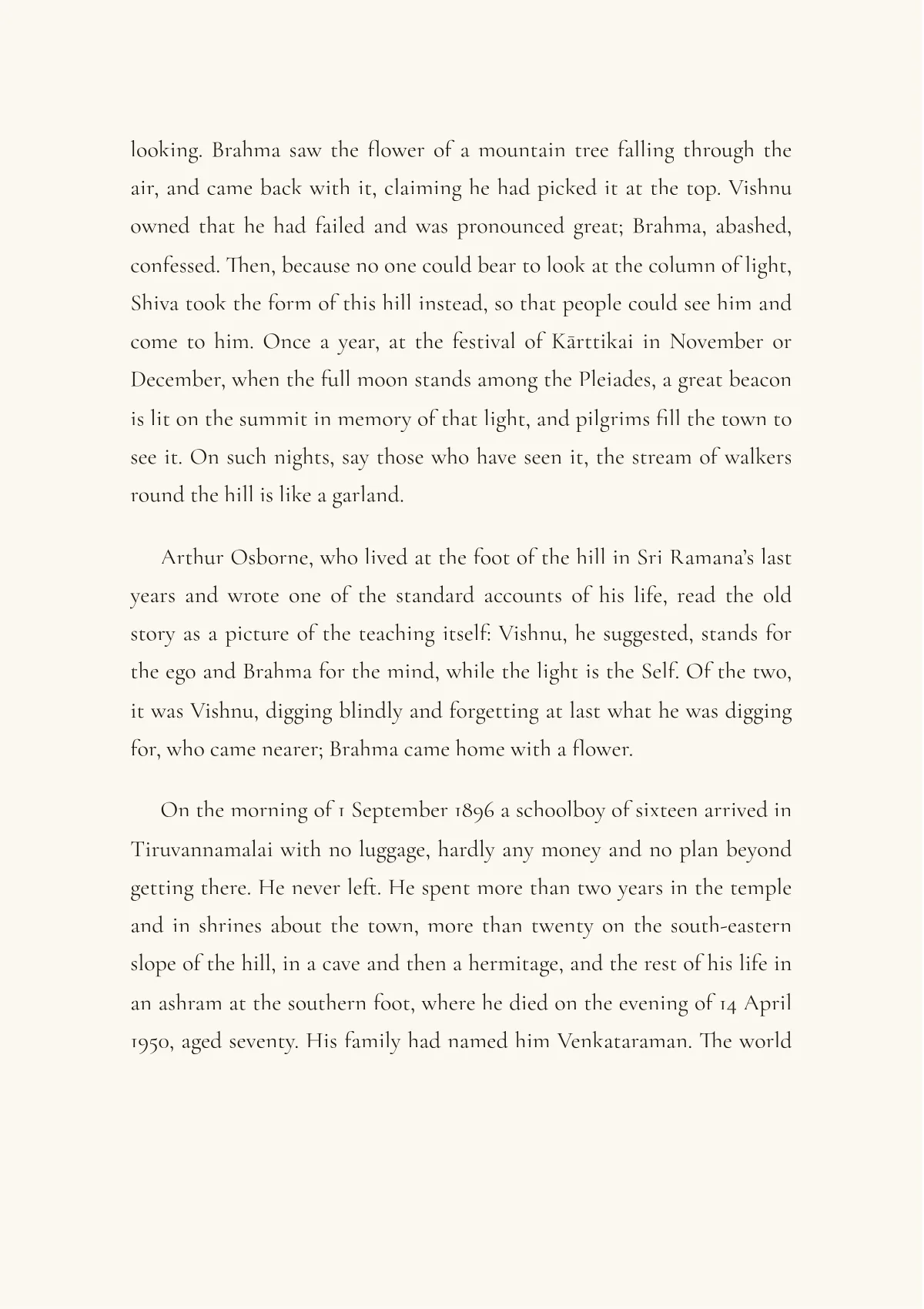
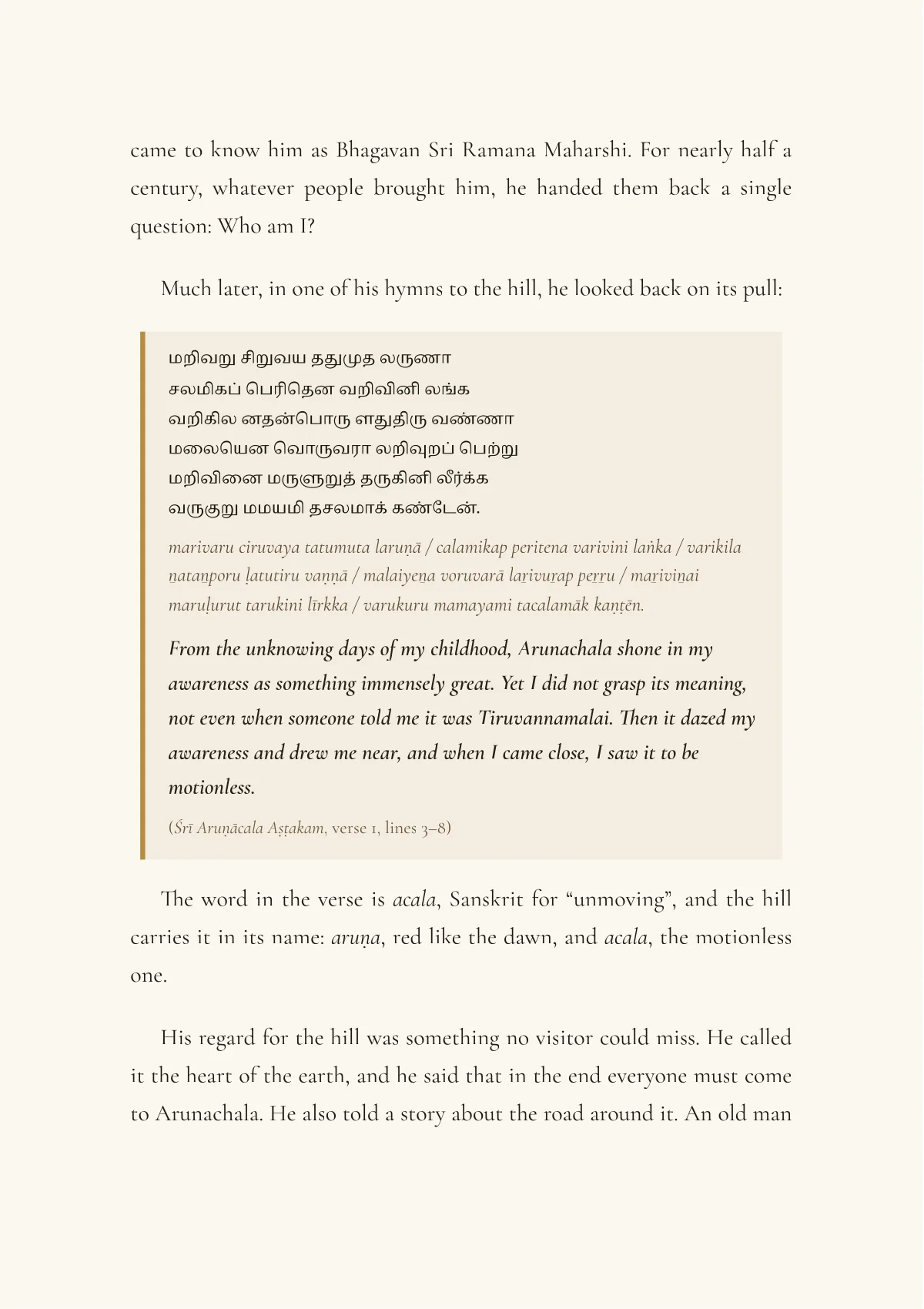
Read the sample pages as text · 5 pages
The words of the 5 pages shown under “Look inside”, from the English edition.
Contents
- A Word Before
- Part One · The Life
- 1. The Hill
- 2. A Boy in Madurai
- 3. Sixteen
- 4. Five Rupees and a Letter
- 5. The Open Temple
- 6. The Note to His Mother
- 7. The Cave
- 8. Alagammal
- 9. Sri Ramanasramam
- 10. A Day at the Ashram
- 11. Seekers from the West
- 12. The Last Year
- Part Two · The Teaching
- 13. What Everyone Wants
- 14. Where Does “I” Rise?
- 15. Diving
- 16. What Shines
- 17. What Is
- 18. Work and the World
- 19. Silence
- Part Three · Common Misunderstandings
- Part Four · The Other Wing: Surrender
- Part Five · The Lowest Place and the Whole World
- The Road Ahead
- Also from ClarityOne Publishing
- A Note on the Texts
- Sources and Those Who Wrote It Down
- A Short Timeline
- Glossary
Chapter 1 · The Hill
1. The Hill
There is a hill in the south of India that people walk around barefoot. They have done it for centuries, on a road of some eight miles that circles its foot past water tanks, shrines and shade trees. Some take three hours over it; some take a whole night and stop at every shrine. The walk is meant to be made on foot and slowly; the old saying is that one should go round like a queen in the ninth month of her pregnancy. Sri Ramana walked it himself several times a year until 1926. The hill itself is modest, rising out of the red plain of Tamil Nadu above the temple town of Tiruvannamalai, bare and brown in the dry months and green for a few weeks after the rains, with a great temple at its base. Its name is Arunachala. To those who walk around it, the hill is God himself, standing still in a shape the eye can rest on.
The old sacred histories of the place explain why. Vishnu and Brahma, the story goes, once quarrelled over which of them was the greater, and their quarrel threw the world into confusion. Shiva appeared between them as a column of light and declared that whoever could find its top or its foot would be the greater. Vishnu became a boar and dug down into the earth; Brahma became a swan and flew upwards. Vishnu never reached the foot of the column, but somewhere in the digging he began to see within himself the light he was looking for, and forgot that he was
Chapter 1 · The Hill, continued
looking. Brahma saw the flower of a mountain tree falling through the air, and came back with it, claiming he had picked it at the top. Vishnu owned that he had failed and was pronounced great; Brahma, abashed, confessed. Then, because no one could bear to look at the column of light, Shiva took the form of this hill instead, so that people could see him and come to him. Once a year, at the festival of Kārttikai in November or December, when the full moon stands among the Pleiades, a great beacon is lit on the summit in memory of that light, and pilgrims fill the town to see it. On such nights, say those who have seen it, the stream of walkers round the hill is like a garland.
Arthur Osborne, who lived at the foot of the hill in Sri Ramana’s last years and wrote one of the standard accounts of his life, read the old story as a picture of the teaching itself: Vishnu, he suggested, stands for the ego and Brahma for the mind, while the light is the Self. Of the two, it was Vishnu, digging blindly and forgetting at last what he was digging for, who came nearer; Brahma came home with a flower.
On the morning of 1 September 1896 a schoolboy of sixteen arrived in Tiruvannamalai with no luggage, hardly any money and no plan beyond getting there. He never left. He spent more than two years in the temple and in shrines about the town, more than twenty on the south-eastern slope of the hill, in a cave and then a hermitage, and the rest of his life in an ashram at the southern foot, where he died on the evening of 14 April 1950, aged seventy. His family had named him Venkataraman. The world
Chapter 1 · The Hill, continued
came to know him as Bhagavan Sri Ramana Maharshi. For nearly half a century, whatever people brought him, he handed them back a single question: Who am I?
Much later, in one of his hymns to the hill, he looked back on its pull:
மறிவறு சிறுவய ததுமுத லருணா
சலமிகப் பெரிதென வறிவினி லங்க
வறிகில னதன்பொரு ளதுதிரு வண்ணா
மலையென வொருவரா லறிவுறப் பெற்று
மறிவினை மருளுறுத் தருகினி லீர்க்க
வருகுறு மமயமி தசலமாக் கண்டேன்.
maṟivaṟu ciṟuvaya tatumuta laruṇā / calamikap periteṉa vaṟiviṉi laṅka / vaṟikila ṉataṉporu ḷatutiru vaṇṇā / malaiyeṉa voruvarā laṟivuṟap peṟṟu / maṟiviṉai maruḷuṟut tarukiṉi līrkka / varukuṟu mamayami tacalamāk kaṇṭēṉ.
From the unknowing days of my childhood, Arunachala shone in my awareness as something immensely great. Yet I did not grasp its meaning, not even when someone told me it was Tiruvannamalai. Then it dazed my awareness and drew me near, and when I came close, I saw it to be motionless.
(Śrī Aruṇācala Aṣṭakam, verse 1, lines 3–8)
The word in the verse is acala, Sanskrit for “unmoving”, and the hill carries it in its name: aruṇa, red like the dawn, and acala, the motionless one.
His regard for the hill was something no visitor could miss. He called it the heart of the earth, and he said that in the end everyone must come to Arunachala. He also told a story about the road around it. An old man
Watch the video
Watch the story.
Watch the video, then spend time with the book.
 ▶ Watch on YouTube
About this pocket edition
A closer look.
Sri Ramana Maharshi: Abide as the Self is an Illustrated Pocket Edition for The Great Nondual Teachers video series on ClarityOne Publishing. Across 113 illustrated pages it tells his life from the accounts of those who knew him, and presents his teaching with thirty passages in his own Tamil, newly translated.
Part One tells his life: the boy in Madurai who, at sixteen, faced the fear of death and never feared again; the journey to Arunachala; the years in the cave on the hill; his mother, who came to fetch him home and stayed; the ashram that gathered around him; and his last year. It is told from the accounts of those who knew him.
Part Two presents his teaching slowly and close to his own words. Thirty passages of his Tamil are shown in Tamil, with letter-for-letter transliteration (ISO 15919) and a new translation made directly from the Tamil, so you can stay with the words he chose. Further parts address common misunderstandings, surrender, and a life that matched the teaching, closing with a note on the texts, sources, a timeline, and a glossary.
Written for newcomers and lifelong readers alike, this Illustrated Pocket Edition goes with The Great Nondual Teachers on YouTube. You can read it before or after watching. Your purchase supports the work of ClarityOne Publishing.
Questions from the teaching · Parts Two and Three
How did Sri Ramana Maharshi teach “Who am I?” self-enquiry?
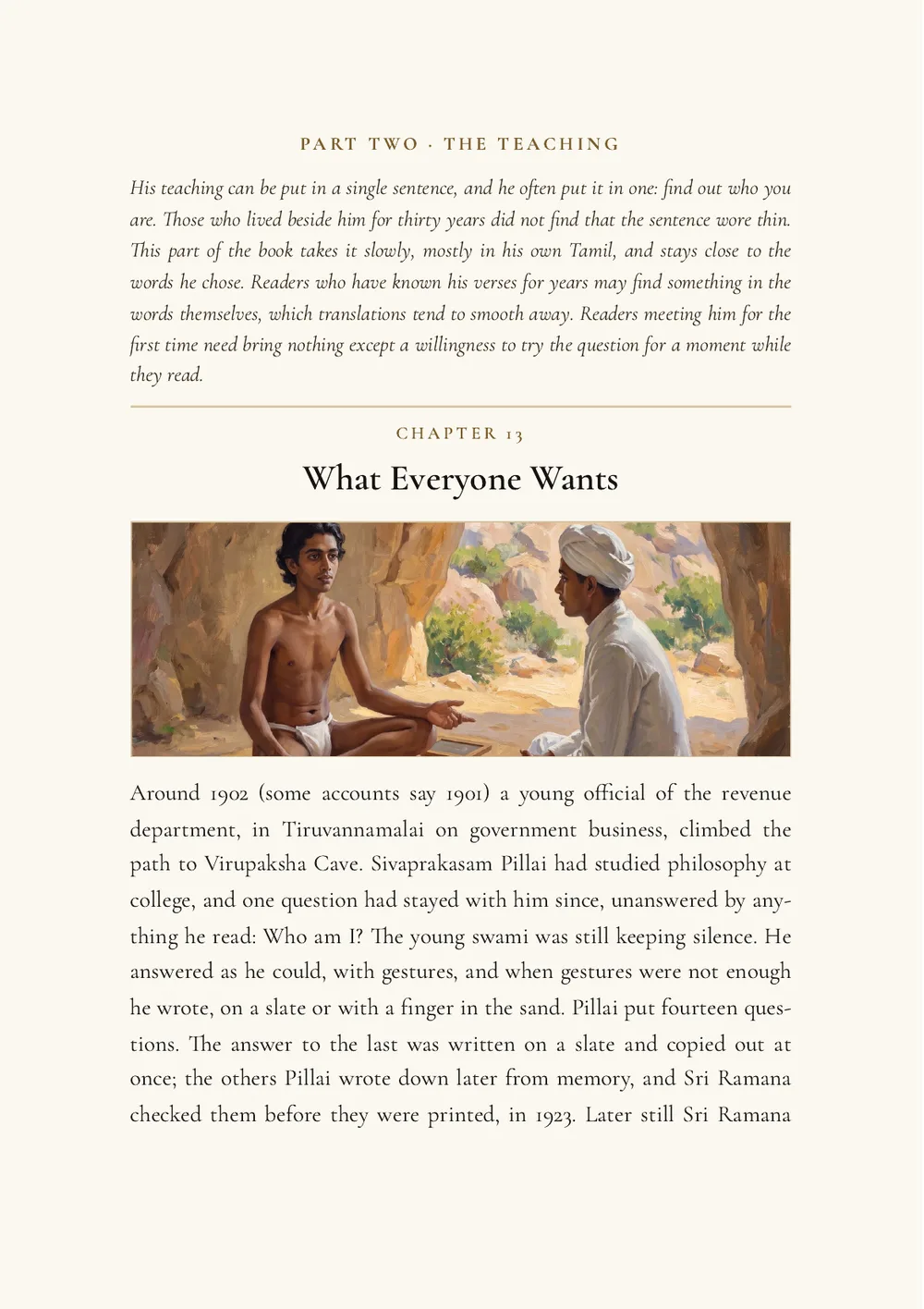
Around 1902 a young revenue official, Sivaprakasam Pillai, climbed the path to Virupaksha Cave with one question that had stayed with him since college: Who am I? The young swami was still keeping silence. He answered as he could, with gestures, and when gestures were not enough he wrote, on a slate or with a finger in the sand. From those answers grew a short essay in Tamil prose, Nāṉ Ār? (“Who am I?”), the most read of all his writings.
In the hall, visitors often began with their thoughts: how to stop them, how to be rid of them, how to be left in peace. His answer was to ask to whom the thoughts came. There is no such thing as a mind, he says, apart from thoughts, and among all the thoughts there is one that comes first: the thought “I”. So when a thought rises, do not chase it and do not fight it. Ask whom it has come to:
ஜாக்கிரதையாய் ஒவ்வோ ரெண்ணமும் கிளம்பும்போதே இது யாருக்குண்டாயிற்று என்று விசாரித்தால் எனக்கென்று தோன்றும். நானார் என்று விசாரித்தால் மனம் தன் பிறப்பிடத்திற்குத் திரும்பிவிடும்; எழுந்த வெண்ணமு மடங்கிவிடும்.
“If, as each thought springs up, you ask with care, “To whom has this come?”, it will be clear: “To me.” If you then ask, “Who am I?”, the mind turns back to the place it was born, and the thought that rose subsides.”
Nāṉ Ār?, paragraph 6
Our translation from the Tamil.
The thought subsides because it was living on the attention we gave it, and the attention has turned elsewhere; with practice, he adds, the mind grows ever more able to stay where it was born. The question is not a formula to repeat. In Nāṉ Ār? he compares it to a stick from the cremation ground:
நானார் என்னும் விசாரணையினாலேயே மன மடங்கும்; நானார் என்னும் நினைவு மற்ற நினைவுகளை யெல்லா மழித்துப் பிணஞ்சுடு தடிபோல் முடிவில் தானு மழியும்.
“Only by the enquiry “Who am I?” does the mind subside. The thought “Who am I?”, having consumed every other thought, is at last consumed itself, like the stick that tends the corpse-fire.”
Nāṉ Ār?, paragraph 6
Our translation from the Tamil.
At a cremation, the attendant uses a long stick to push the burning wood back into the fire, and when the work is done, throws it in after the rest. The question is that stick.
Questions readers ask
How can I control the mind?
He was generous about aids. Meditation on a form of God, the repetition of a mantra, and pure food taken in moderation all steady the mind, the way an elephant given a chain to hold walks along holding the chain and touches nothing else. Restraining the breath can quieten the mind for a while, yet as soon as the breath is let go, the mind rises again: breath control can help to hold the mind still; it cannot end it. A mind gathered on one thing grows strong, and for a strong mind, he says, self-enquiry comes easily. The Thirty Verses of Instruction draw the practical conclusion:
மனத்தி னுருவை மறவா துசாவ
மனமென வொன்றிலை யுந்தீபற
மார்க்கநே ரார்க்குமி துந்தீபற.
“When one looks into the form of the mind without ever forgetting to look, there is no such thing as mind. For all alike, this is the straight path.”
Upatēca Untiyār, verse 17
Our translation from the Tamil.
How should we treat others?
பிறர் எவ்வளவு கெட்டவர்களாய்த் தோன்றினும் அவர்களை வெறுத்தலாகாது. விருப்பு வெறுப்புக ளிரண்டும் வெறுக்கத் தக்கன. பிரபஞ்ச விஷயங்களி லதிகமாய் மனத்தை விடக் கூடாது. சாத்தியமானவரையில், அன்னியர் காரியத்திற் பிரவேசிக்கக் கூடாது. பிறருக் கொருவன் கொடுப்ப தெல்லாம் தனக்கே கொடுத்துக்கொள்ளுகிறான். இவ் வுண்மையை யறிந்தால் எவன்தான் கொடா தொழிவான்?
“However bad others may seem, one must not hate them. Both liking and disliking deserve to be disliked. One should not let the mind run much after the things of the world. As far as one can, one should not meddle in other people’s affairs. Whatever a person gives to others, he gives only to himself. Who, knowing this truth, would hold back from giving?”
Nāṉ Ār?, paragraph 19
Our translation from the Tamil.
Those last two sentences hold the whole ethic of non-duality. He lived it: he taught women, people of every caste and people of other religions alike.
How is the mind to be purified?
The Thirty Verses of Instruction begin with action. Action done for its fruits does not set one free; its results become seeds of further action. Then comes the third verse:
கருத்தனுக் காக்குநிட் காமிய கன்மங்
கருத்தைத் திருத்தியஃ துந்தீபற
கதிவழி காண்பிக்கு முந்தீபற.
“Action done for the Lord, without desire for its fruit, sets the mind right and shows the way to liberation.”
Upatēca Untiyār, verse 3
Our translation from the Tamil.
And for anyone who thinks himself beyond help, Nāṉ Ār? says that however great a sinner a man may be, if he stops wailing over his sins, drops even the thought of being a sinner, and turns eagerly to his own true nature, he will certainly come to good. No one has to make himself pure enough for the enquiry first.
What is the state that I should attain?
In the Forty Verses he says that to know and abide as what is always already attained is the only real attainment; every other power is a power gained in a dream. Realisation is not an experience to be had one day: an experience needs someone to have it, and that someone is the very thing in question. What he pointed to is what is here before anything arrives, including the wish for it. The Thirty Verses of Instruction say so in three short lines:
தானா யிருத்தலே தன்னை யறிதலாந்
தானிரண் டற்றதா லுந்தீபற
தன்மய நிட்டையீ துந்தீபற.
“Being oneself is knowing oneself, because the self is without a second. This is abiding as That.”
Upatēca Untiyār, verse 26
Our translation from the Tamil.
In Nāṉ Ār? he calls this state by an everyday phrase: just being, staying as one is.
Who am I? What is self-realization? How do I experience God?
In Nāṉ Ār?, after setting aside everything that is not “I” with the old formula of the Upanishads, “not this, not this”, he names what is left: the awareness that alone remains is “I”. Its nature is being, awareness and happiness, three ways of pointing at one thing, much as “the sun”, “its light” and “its warmth” all point at one sun. The Self cannot be known the way a cup or a cloud is known, as an object over there, because there is no second self to do the knowing. And God is not left out: to remain fixed in the Self, he writes, leaving no room at all for any thought but the thought of the Self, is what it means to give oneself to God. Abiding in the Self and giving oneself to God are a single act.
Part Two of this illustrated pocket edition takes the question slowly, mostly in his own Tamil. Get the illustrated pocket edition (PDF & EPUB, €2.99 / $2.99) ↑
About this pocket edition
Who this pocket edition is for.
From The Great Nondual Teachers video series, Sri Ramana Maharshi: Abide as the Self introduces the life and teaching of the sage of Arunachala for newcomers and longtime readers alike. Eyewitness accounts follow him from Madurai to the mountain cave, while thirty passages of his Tamil appear beside fresh English translations. Readers wanting a brief starting point first can open the free 12-page introductory booklet The Teachings of Sri Ramana Maharshi at /free-booklets/the-teachings-of-sri-ramana-maharshi.
What you get
What this pocket edition holds.
- Pages
- 113 illustrated pages
- Formats
- Reader’s edition with illustrations (PDF & EPUB)
- Languages
- English
Contents highlights
- Part One: His Life from Madurai to Arunachala (Chapters 1 to 12)
- Part Two: His Teaching (Chapters 13 to 19)
- Thirty passages of original Tamil beside direct English translation
- Part Four: Surrender and Common Misunderstandings
- Sources, timeline, and glossary
What you receive
Both files, right away.
This illustrated pocket edition is offered in English as both a printed-page PDF and a reflowable EPUB.
One purchase gives you the illustrated pocket edition in English, as both files: the PDF in the printed-page layout, and the EPUB for compatible reading apps and e-readers.
- Published and translated by
- ClarityOne Publishing. Every Tamil passage stands in its original Tamil script beside our own translation, made directly from the Tamil.
- Formats included
- PDF and EPUB · English edition.
- Languages available
- English
- How delivery works
- Right after payment your download page opens with both files. Save them now; they are yours to keep. The page stays open for 30 days at the same address. Stripe emails your receipt.
Watch the complete story ↗ on ClarityOne Publishing, or watch the Short ↗, and read this illustrated pocket edition before or after.
From the illustrated pocket edition
Four source passages and our translations.
ஜாக்கிரதையாய் ஒவ்வோ ரெண்ணமும் கிளம்பும்போதே இது யாருக்குண்டாயிற்று என்று விசாரித்தால் எனக்கென்று தோன்றும். நானார் என்று விசாரித்தால் மனம் தன் பிறப்பிடத்திற்குத் திரும்பிவிடும்; எழுந்த வெண்ணமு மடங்கிவிடும்.
If, as each thought springs up, you ask with care, “To whom has this come?”, it will be clear: “To me.” If you then ask, “Who am I?”, the mind turns back to the place it was born, and the thought that rose subsides.
(Nāṉ Ār?, paragraph 6 · Tamil)
Nāṉ Ār? (Who am I?), prose essay in twenty paragraphs, final form by 1927: passages from paragraphs 6, 7, 11, 13, 14, 19 and 20; other paragraphs retold in our own words.
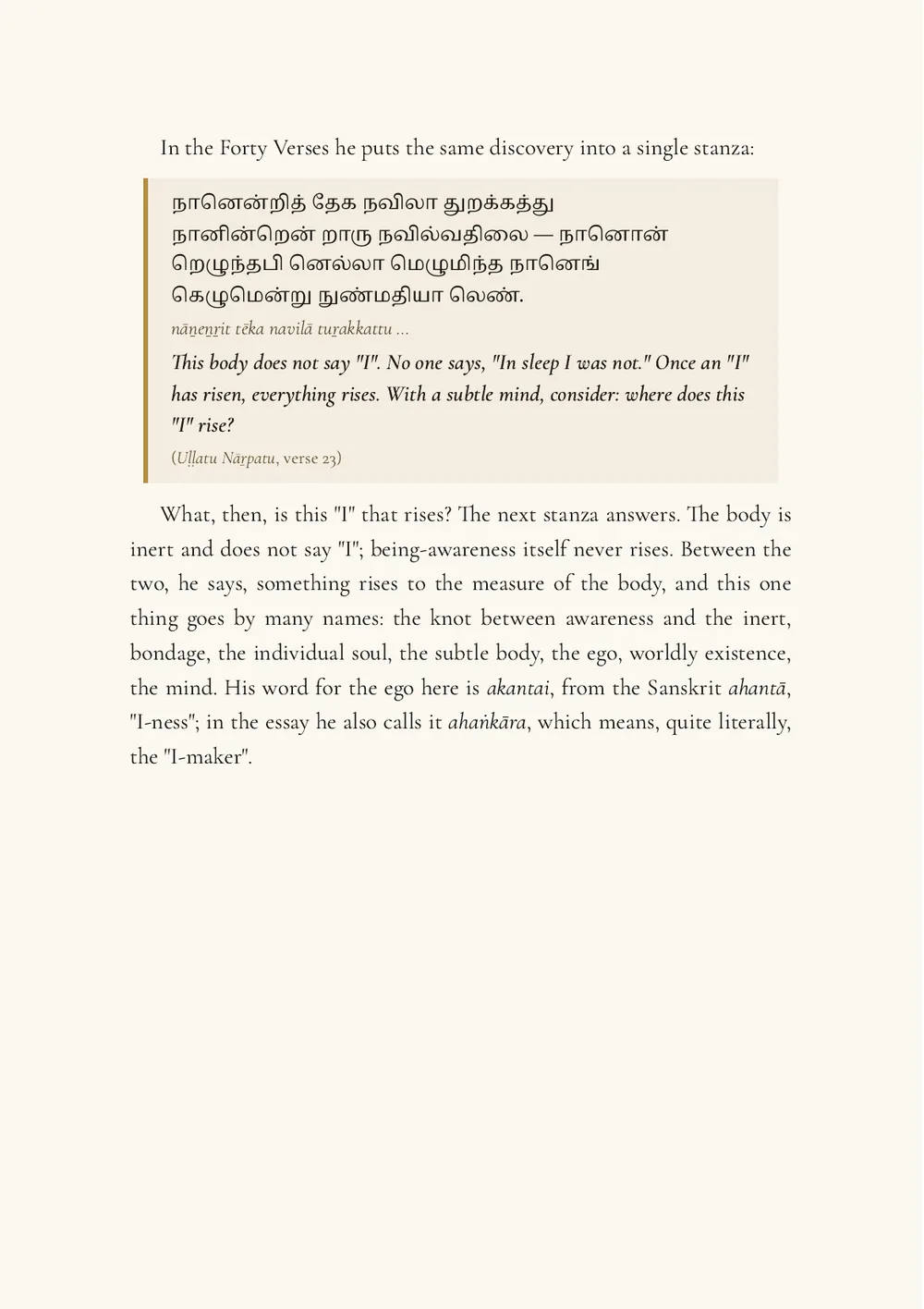
நானென்றித் தேக நவிலா துறக்கத்து நானின்றென் றாரு நவில்வதிலை — நானொன் றெழுந்தபி னெல்லா மெழுமிந்த நானெங் கெழுமென்று நுண்மதியா லெண்.
This body does not say “I”. No one says, “In sleep I was not.” Once an “I” has risen, everything rises. With a subtle mind, consider: where does this “I” rise?
(Uḷḷatu Nāṟpatu, verse 23 · Tamil)
Uḷḷatu Nāṟpatu (Ulladu Narpadu; Forty Verses on That Which Is), 1928: both opening blessings; verses 1, 8, 23, 25, 26, 28, 29, 30, 33 and 38; verses 14, 17, 24 and 35 retold.
தானா யிருத்தலே தன்னை யறிதலாந் தானிரண் டற்றதா லுந்தீபற தன்மய நிட்டையீ துந்தீபற.
Being oneself is knowing oneself, because the self is without a second. This is abiding as That.
(Upatēca Untiyār, verse 26 · Tamil)
Upatēca Untiyār (Upadesa Undiyar; Thirty Verses of Instruction), 1927: verses 3, 17, 26, 29 and 30; verses 1, 2 and 4 to 9 and 21 retold.
ஈன்றிடு மன்னையிற் பெரிதருள் புரிவோ யிதுவோ வுனதரு ளருணாசலா
You, whose grace is greater than that of the mother who bore me: is this your grace, Arunachala?
(Śrī Aruṇācala Akṣaramaṇamālai, verse 6 · Tamil)
Śrī Aruṇācala Akṣaramaṇamālai (Marriage Garland of Letters), around 1914: refrain and verses 1 and 6; verse 2 described.
Sri Ramana Maharshi’s own works (Tamil; every English rendering translated directly from the Tamil for this edition)